
Introduction
Under the SafeStep Project, funded by the Somali Humanitarian Fund (SHF), Somali Peace Line (SPL) conducted a training workshop titled “Enhancing the Capacity of Sub-national and Local Actors to Prevent, Mitigate, and Respond to Child Protection and Gender-Based Violence (GBV) Concerns in Crisis-Affected Communities.” The workshop was held at Salam Hotel, Galakyo, Galmudug State of Somalia, from January 13 to 18, 2025.
Participant Overview
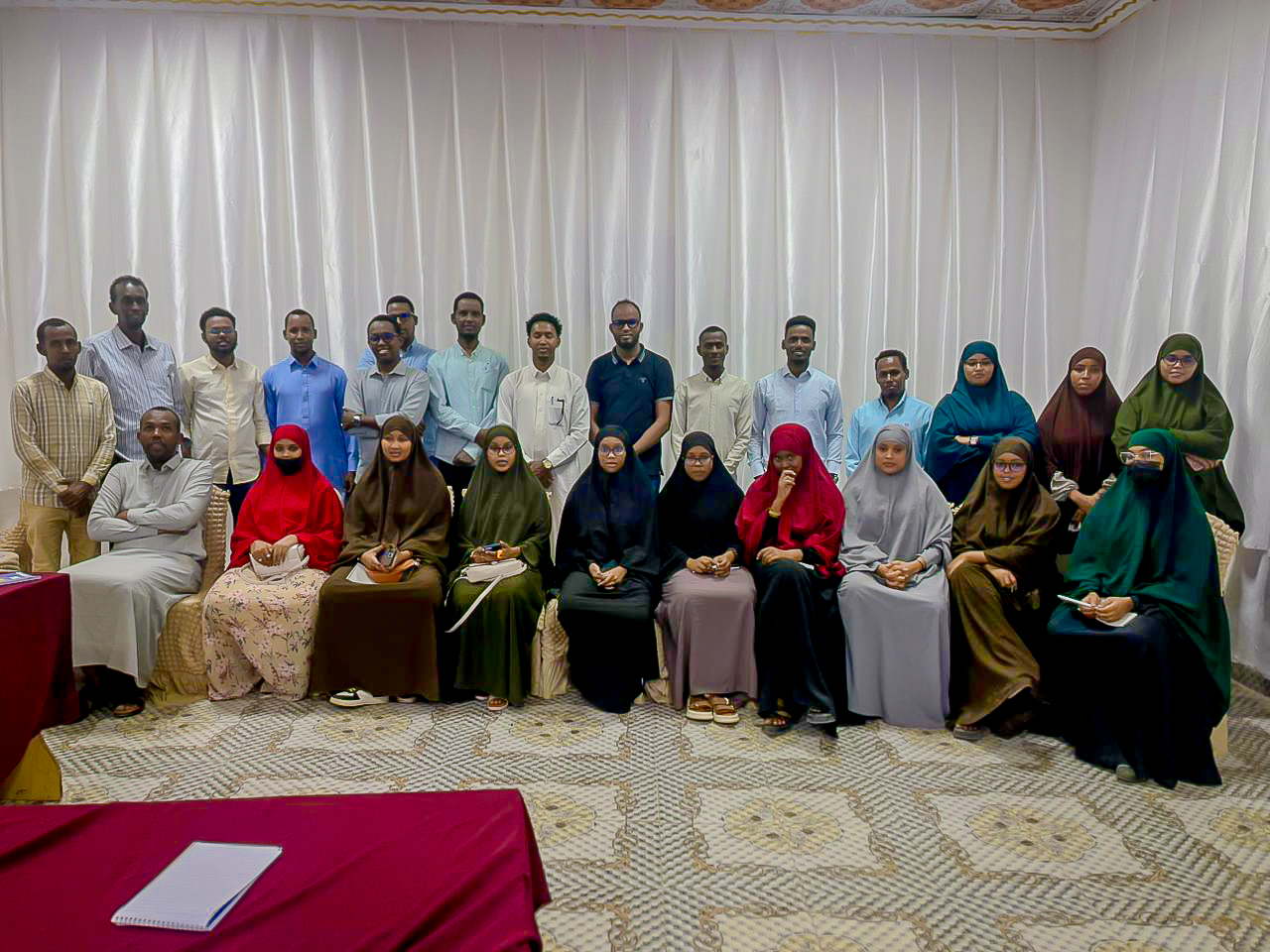
The workshop attracted a total of 32 participants, comprising 22 females and 10 males, representing various local and international organizations involved in child protection and GBV initiatives. These participants included members from local non-governmental organizations, the Ministry of Women, and the Galkayo District Authority.
Objectives
The primary objectives of the workshop were to:
- Develop skills to identify and assess risks associated with child protection (CP) and GBV.
- Implement evidence-based strategies for prevention and response.
- Provide comprehensive services to survivors.
- Strengthen coordination and referral mechanisms among various stakeholders.
Opening Remarks
The workshop was officially opened by Dr. Ahmed Omar, SPL CP/GBV Project Officer in Galkayo. In his opening remarks, Dr. Omar emphasized the significance of addressing child protection and GBV issues in crisis-affected communities. He highlighted the workshop’s objectives of enhancing the skills and knowledge of local actors, equipping them to respond effectively to these pressing concerns.
Workshop Overview
Over the course of five days, the training workshop successfully brought together participants from diverse backgrounds, focusing on enhancing the capacity of sub-national actors to address child protection and GBV in crisis-affected settings. The interactive sessions engaged participants in critical discussions surrounding these topics, providing valuable knowledge and skills for effective intervention.
Topics Covered
The workshop addressed a range of essential topics, including:
- Evidence-based prevention strategies.
- Comprehensive service provision.
- Survivor-centered approaches.
- Identification of root causes of GBV and the consequences of violence.
- Integration of child protection measures into broader humanitarian responses.
Methodology
SPL contracted an independent consultant, Osman Mohamed Abdi, to facilitate the training. The facilitator employed a participatory approach, utilizing various techniques such as introductions, brainstorming, storytelling, slide presentations, and group discussions. Ground rules were established with participant consent to ensure a collaborative environment.
Outcomes and Recommendations
The training culminated in actionable recommendations aimed at promoting effective interventions. Participants left equipped with practical tools and strategies, emphasizing commitment to apply their newfound knowledge in their work. The workshop also fostered a network of local actors dedicated to the rights and well-being of vulnerable populations.
Key Recommendations
- Local actors should ensure that interventions are informed by data and research, including regular assessments of community needs.
- All interventions must prioritize the voices and needs of survivors, with training provided to staff on implementing these principles.
- Allocate resources for continuous training to enhance the skills and knowledge of local actors in addressing CP and GBV.
- Establish accessible healthcare, legal assistance, psychological support, and social services for survivors, ensuring coordination.
- Foster collaborations among government agencies, NGOs, and community organizations, with regular coordination meetings to share resources and best practices.
- Create working groups focused on specific issues related to CP and GBV, facilitating targeted discussions and strategy development.
- Implement awareness campaigns to challenge cultural norms and promote respect and equality.
- Local actors should collectively advocate for the implementation of laws protecting children and GBV survivors, including stronger penalties for perpetrators.
Conclusion
This workshop represents a significant advancement in building the capacity of local actors to effectively respond to child protection and GBV concerns. The insights gained and connections made during this training will contribute to meaningful changes within the communities represented, paving the way for a brighter, more equitable future for all. The collective commitment of participants will be vital in creating safer, more supportive environments for children and survivors of gender-based violence in Somalia.