Introduction
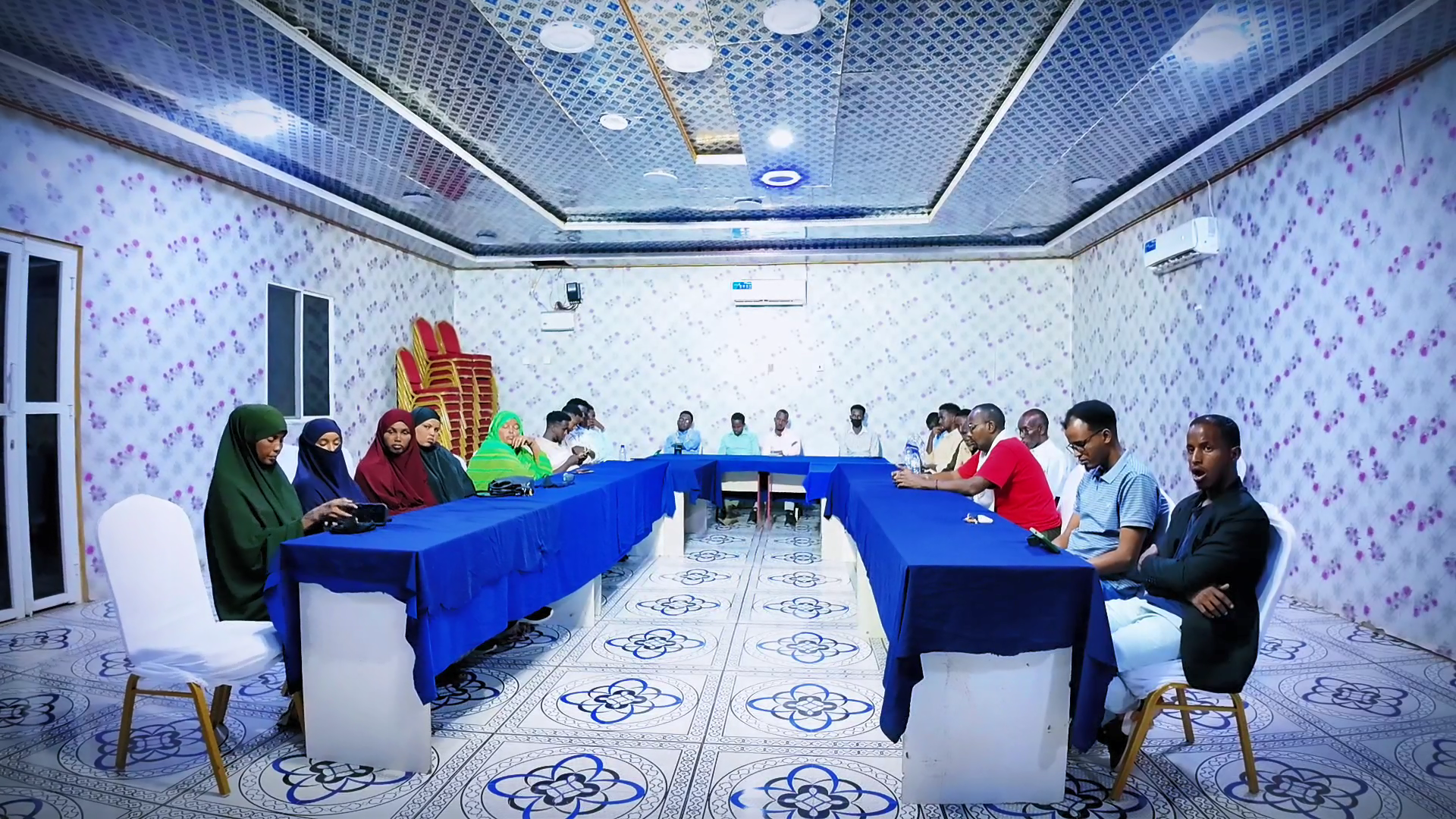
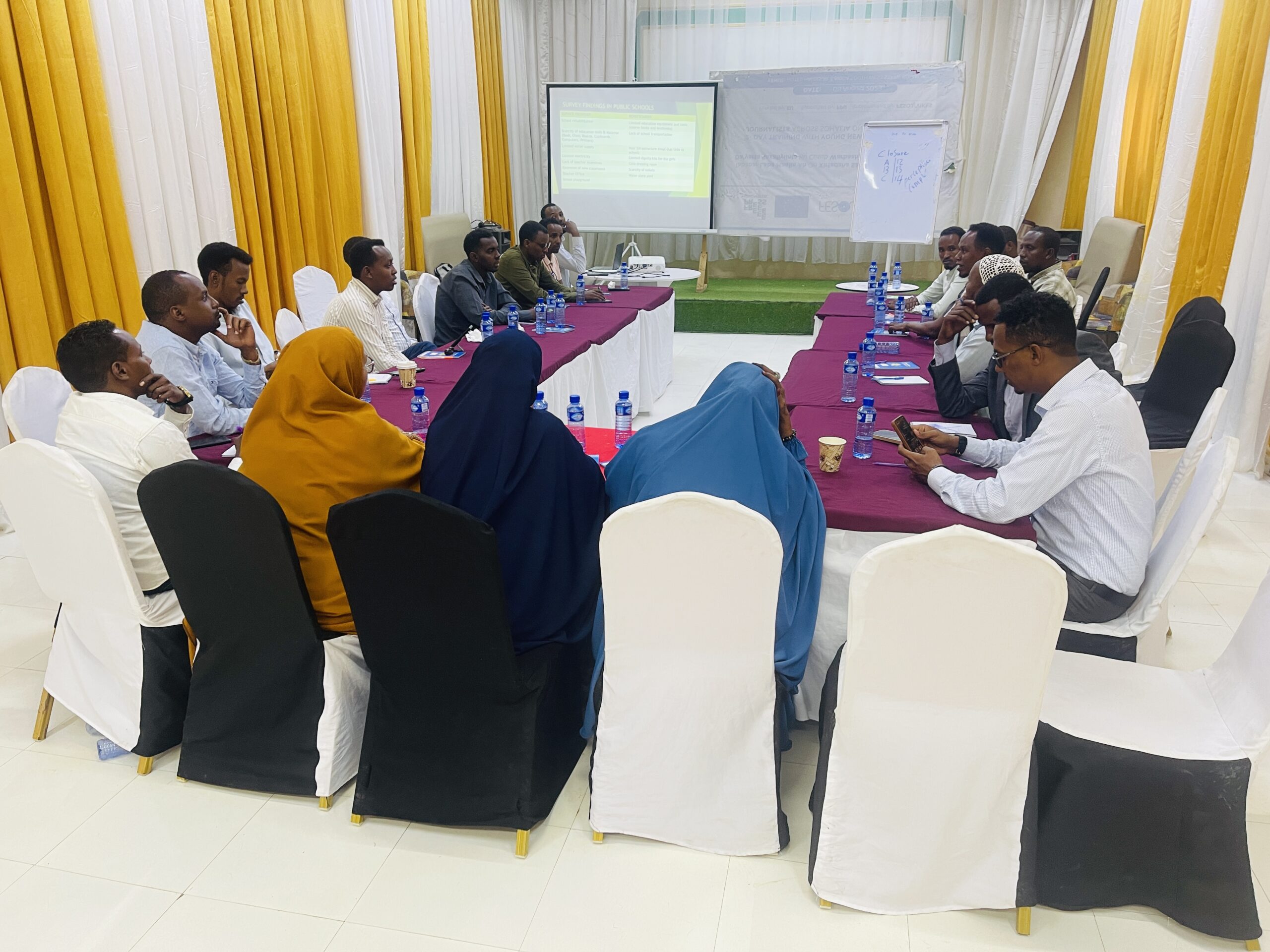
Recently, Somali Peace Line (SPL) hosted two days of interface meetings in Baidoa, focusing on social accountability. The meetings brought together a diverse group of stakeholders, including community members, service providers, civil society organizations (CSOs), and government officials. A total of 32 participants (26 males and 8 females) attended these sessions to discuss key findings from a quality-of-service assessment survey conducted in public schools and health clinics.
Objectives
The primary aim of these meetings was to explore potential solutions and develop a collaborative action plan to address the challenges and gaps identified in service delivery.
Summary of Findings
During the meetings, an SPL facilitator presented findings from the survey conducted across eight locations in Baidoa that provide essential health and education services.
Education Sector
The assessment covered four primary and secondary schools managed by the South West State (SWS) Ministry of Education:
- Ayub School
- Wadajir School
- Howlwadag School
- Kulmie School
While these schools offer free tuition, several challenges were identified, including:
- A lack of necessary teaching tools and resources significantly hinders the learning process.
- Difficulties in accessing additional educational support further impact student outcomes.
Health Sector
The survey also included four health clinics in Baidoa:
- Tawfiq MCH
- Daryel-Shabelow MCH
- Mora-Gabay MCH
- Tufta-Suroy MCH
All of these clinics, operated by the SWS Ministry of Health, provide free health services, particularly to internally displaced persons (IDPs) and host communities. Notably:
- Except for Mora-Gabay MCH, all clinics receive substantial support from this project, which covers staff salaries, medical supplies, and equipment.
- Compared to the education sector, the health clinics face fewer challenges, largely due to the ongoing support from the project.
Discussion
The meetings provided a vital platform for participants to discuss the challenges faced by public service providers in both the education and health sectors. A recurring theme was the heavy reliance on international organizations for funding, as line ministries often lack adequate budgets.
Key Concerns
- The expiration of project funds poses a significant risk of service disruptions, threatening the continuity of essential services.
- The internal budgets of ministries are primarily allocated to administrative expenses, including staff salaries, utilities, and supplies, leaving insufficient resources to address service gaps.
Conclusion
The interface meetings in Baidoa highlighted critical challenges in the education and health sectors, as identified in the quality-of-service assessment survey. The discussions fostered collaboration among stakeholders, emphasizing the need for sustainable funding solutions and effective resource allocation. Moving forward, it is crucial to prioritize these issues to enhance service delivery and ensure the well-being of the community.
Recommendations
- Explore innovative financing solutions to reduce reliance on international funding.
- Advocate for increased budgetary support for essential services in both education and health sectors.
- Foster partnerships among local and international organizations to enhance service delivery and accountability.