
Introduction
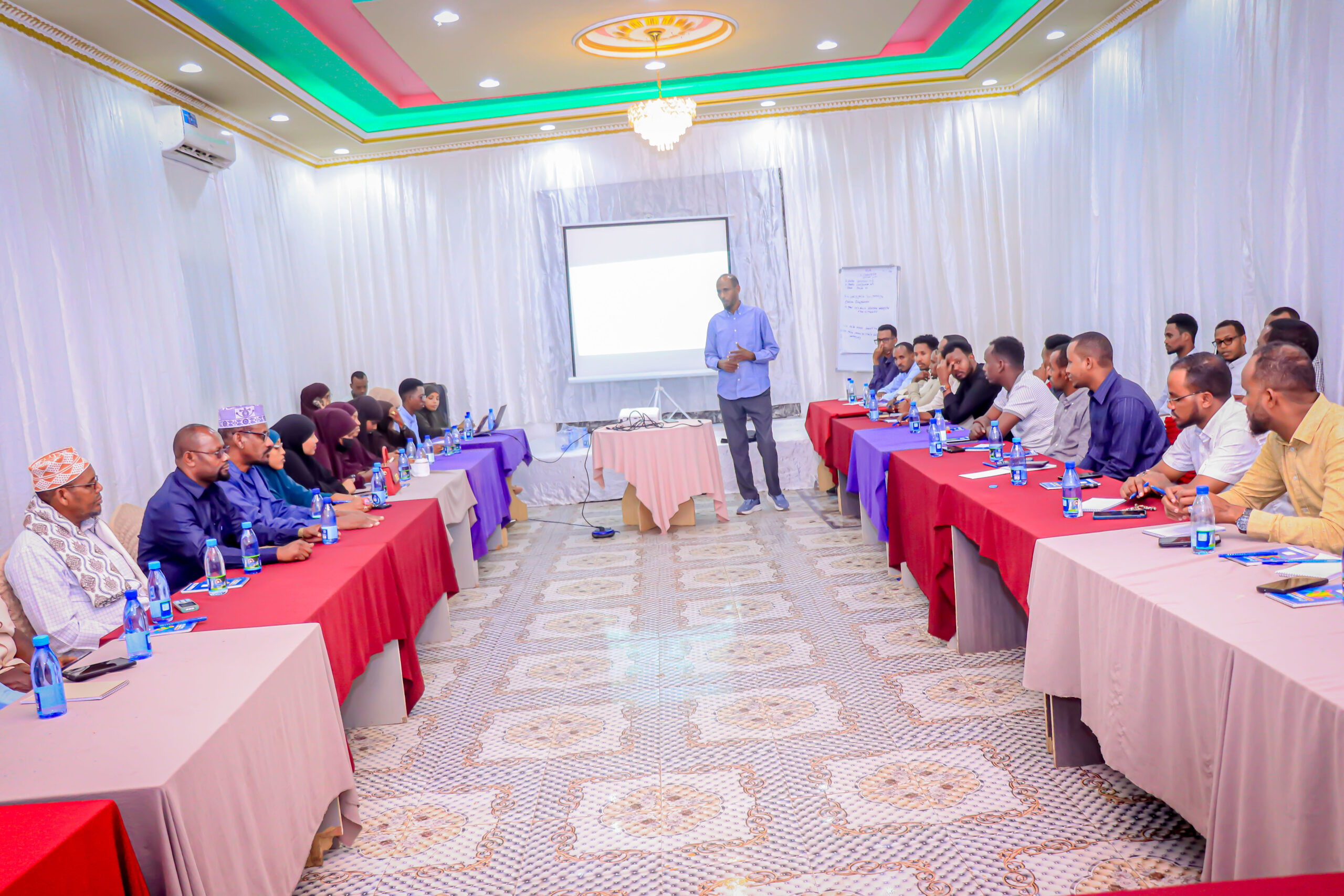
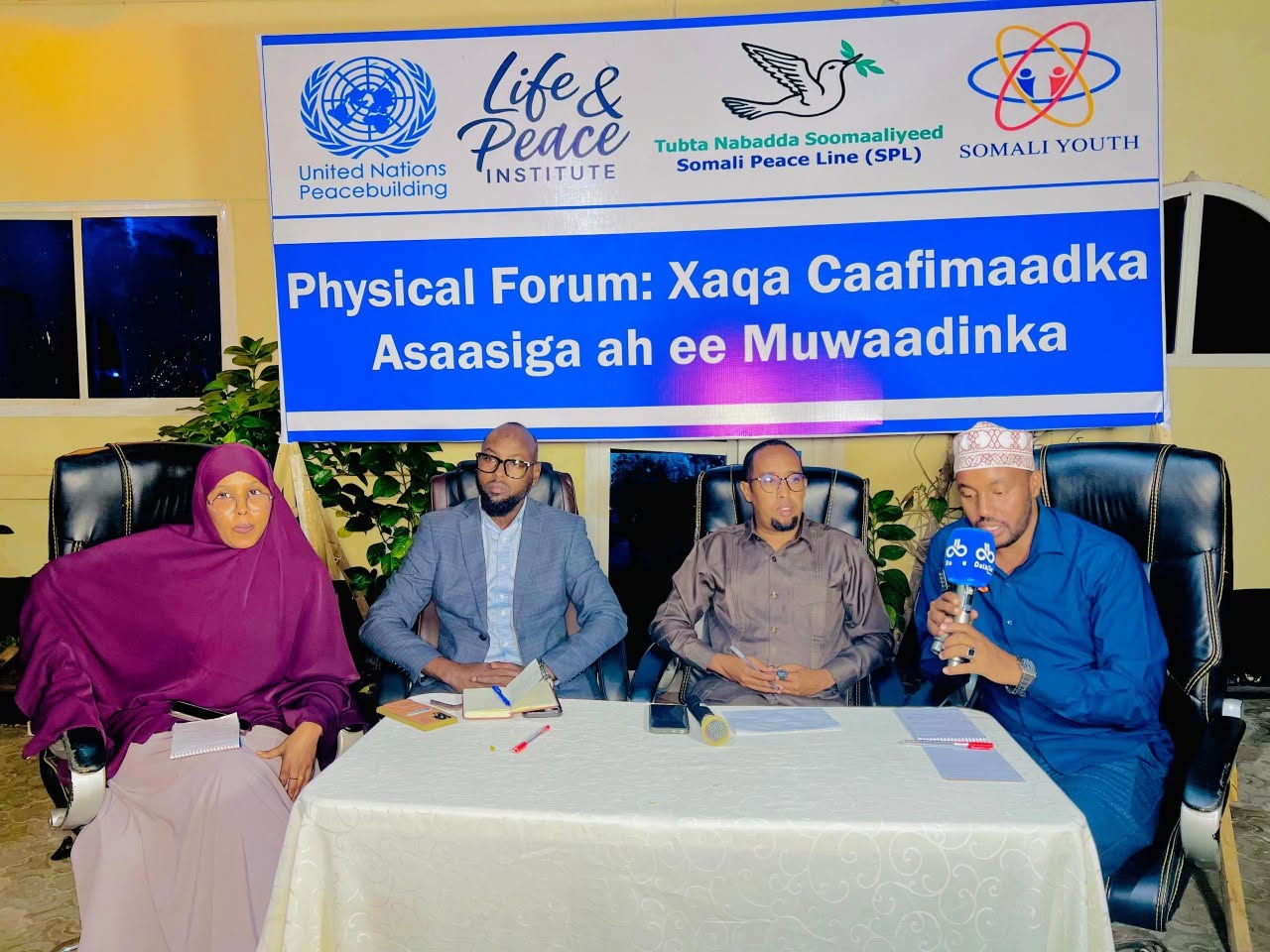
Somali Peace Line (SPL), in collaboration with the Ministry of Women, Family Affairs, and Human Rights Development of the South West State of Somalia, facilitated two consecutive days of consultation meetings to discuss the drafted Child Rights Act. The draft was prepared by experts, drawing from the Federal Child Rights Act while avoiding controversial articles.
Participants
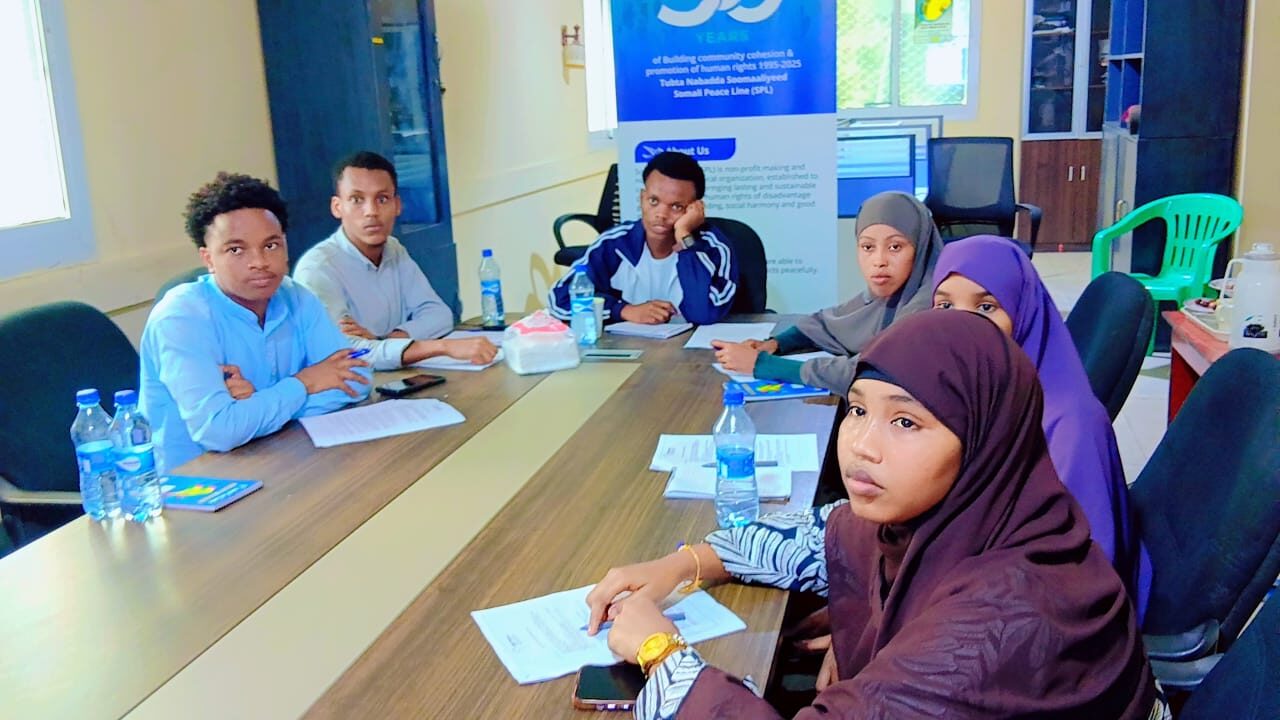
The meetings brought together 33 participants (13 females and 17 males) from civil society organizations (CSOs), the Ministry of Women, and the Baidoa local administration. The primary goal was to share insights on the Child Rights Act, incorporate feedback from participants, and request the Ministry’s support in advancing the bill.
Objectives of the Meeting
- To familiarize participants with the drafted Child Rights Act.
- To gather opinions and feedback from CSOs and local stakeholders.
- To strategize on the process of passing the bill through the relevant legislative bodies.
Alignment with International Standards
The drafted Child Rights Act aligns with the United Nations Convention on the Rights of the Child (UNCRC), which Somalia ratified in 2015. The bill aims to ensure that children have access to:
- Education
- Healthcare
- Protection from Exploitation
- A Nurturing Environment
Background and Context
The bill was initially intended to be presented to the public for input; however, due to a tense political climate and controversial discussions in the federal parliament regarding certain articles, the presentation was postponed. These discussions led to public outcry, with some accusing human rights organizations of having hidden agendas against Islamic values and culture.
Key Discussions
During the consultation, participants raised several controversial points, indicating concerns about alignment with Islamic Sharia and the accepted cultural norms of Somali society. The discussions also reviewed the concerns raised during the parliamentary review sessions on the bill, as well as issues highlighted by religious leaders regarding certain provisions, including children’s rights to choose their religion.
Conclusion
The consultation meetings provided a crucial platform for stakeholders to engage in meaningful dialogue regarding the drafted Child Rights Act. CSO members conducted a thorough review of the provisions, considering the importance of the bill and its alignment with Islamic Sharia and the cultural values of the Somali people.
By incorporating feedback from CSOs and local actors, SPL and the Ministry aim to strengthen the bill and ensure its acceptance within the community. Moving forward, it is essential to continue discussions that account for both the cultural context and the rights of children as outlined in international conventions, ensuring they do not contradict Islamic Sharia.
Recommendations
- Foster ongoing consultations with community stakeholders to gather diverse perspectives on the bill.
- Ensure that the concerns raised by participants, particularly regarding religious and cultural alignment, are addressed in the final draft of the bill.
- Engage religious leaders to build consensus and support for the bill, ensuring that it respects Islamic values while promoting children’s rights.
- Develop mechanisms for monitoring the implementation of the bill, ensuring it serves the best interests of children in a manner consistent with cultural and religious values.