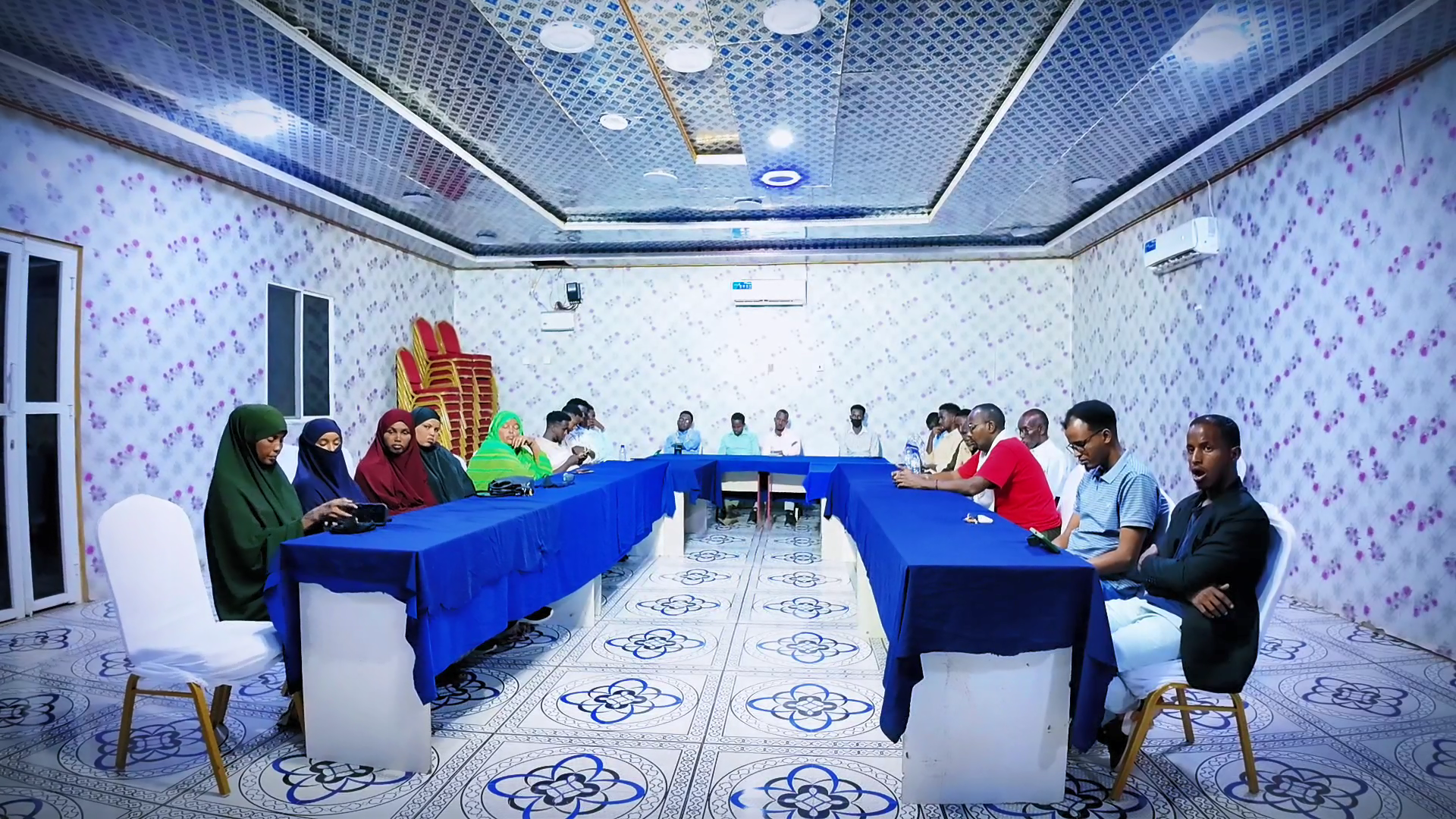
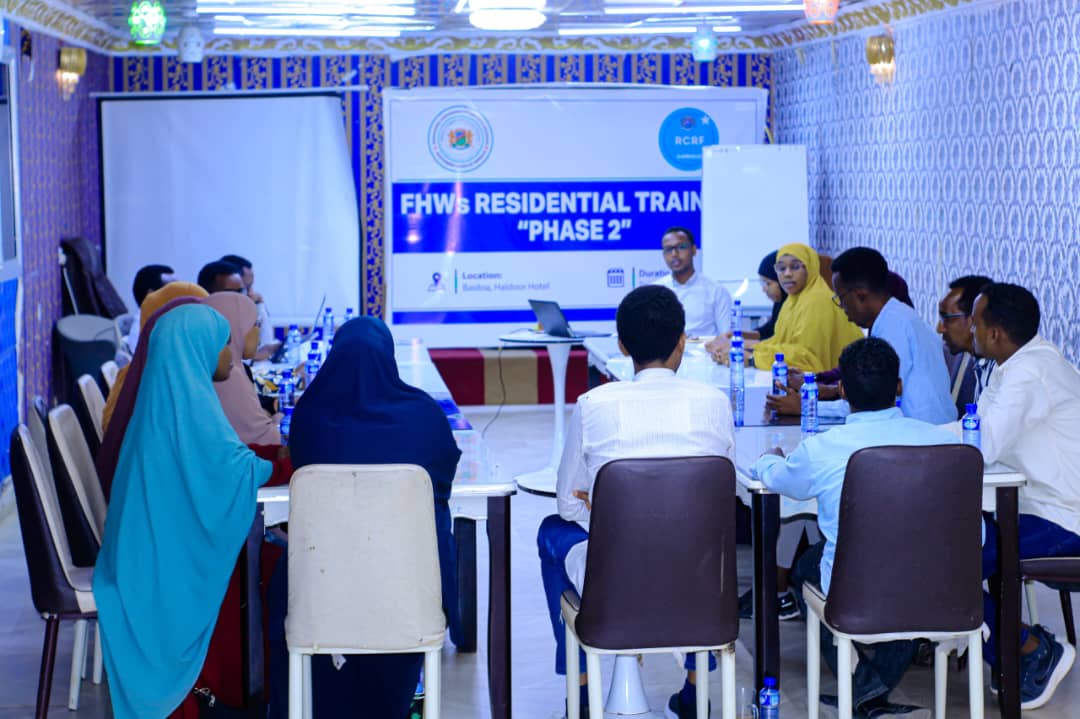
On the 8th October, 2025, SPL conducted a consultation meeting for 20 participants from CSOs and community members about the impact and effect of the humanitarian cut-off, specifically USAID, in Haldoor Hall and Restaurant. The meeting aimed to discuss the impact, challenges, and opportunities regarding the halt of humanitarian aid, and to identify community interventions and initiatives to cope with the humanitarian cut-off. The facilitator welcomed and thanked the participants, explained the objectives of the meeting, and encouraged active participation throughout the session.
Background
In recent months, the reduction or suspension of humanitarian aid by USAID has had significant social and economic consequences for the community and internally displaced people (IDPs) in Baidoa. The city, already hosting one of the largest IDP populations in Somalia, has long depended on international assistance for essential services such as food security, health care, water and sanitation, and shelter. The aid cut has led to reduced food distributions, loss of livelihood support, and the closure or downsizing of several humanitarian programs. Many IDPs are now struggling to meet their basic needs, increasing rates of malnutrition, poor hygiene conditions, and heightened vulnerability among women and children. Local communities, who had been hosting IDPs or indirectly benefiting from aid-related employment, are also feeling the strain as demand for limited resources rises. The situation has forced humanitarian organizations and local authorities to explore alternative solutions such as income-generating activities, community-based resilience programs, and local resource mobilization. However, these efforts remain limited due to lack of funds and institutional capacity. The consultation aimed to gather insights from CSOs to identify the key effects, coping mechanisms, and potential strategies to address the aid gap sustainably.
Impact of US Aid Cut on Humanitarian Operations in Baidoa
The reduction in humanitarian assistance has severely affected both host communities and IDPs. Many individuals working with humanitarian organizations lost their jobs, which were their primary sources of income. School enrollment and attendance declined due to the suspension of school feeding programs, forcing many children to stay home. There has been an increase in theft, domestic violence, and land disputes within IDP camps. Access to referrals and legal assistance for gender-based violence survivors has diminished, as many organizations reduced or withdrew their services. Vocational training centers have closed, causing job losses for teachers. This has also led to double displacement, with some families moving to Mogadishu or Kenya’s refugee camps in search of better living conditions.
Sectors Most Affected by the Funding Reduction
The most affected sectors include health, food security, and water. There has been a significant reduction in water trucking services in IDP camps, placing a heavy burden on mothers who travel long distances to fetch water. Some families go several days without bathing, and water-related conflicts have increased. Insecurity and early marriages have also risen in these sites.
Changes in Living Conditions of IDPs and Host Communities
Many residents are idle due to unemployment, leading to increased begging as people struggle to meet basic needs. Business activity has declined, with many owners unable to pay rent, causing an economic downturn. Divorce rates have risen due to stress from financial hardship. Food availability has decreased, creating confusion in service delivery, and hospitals face shortages of beds amid rising malnutrition and measles cases.
Increase in Displacement, Poverty, and Negative Coping Mechanisms
Families have been displaced again, with some returning to refugee camps in Kenya. Many have reduced meals from three to one or two per day. Early marriages have increased, particularly in IDP sites, as a way to cope with economic strain. Child begging and child labor, including shoeshining, have become widespread as families seek to survive.
Adaptation by Local CSOs and Community-Based Organizations
Local organizations were largely unprepared for the aid cut due to a lack of prior communication. When aid was withdrawn, many local organizations closed down their services, causing confusion for both staff and beneficiaries.
Community-Driven Initiatives or Resource Sharing
There have been no notable community-driven initiatives or fundraising efforts to bridge the gap left by humanitarian aid cuts.
Relationship Between Local Actors, Government, and International NGOs
Meetings organized by the Ministry of Humanitarian and Disaster Management have aimed to coordinate information-sharing on staff reductions, facility closures, and project gaps. However, political differences and expired mandates have hindered collaboration among stakeholders. The Ministry of Women, supported by funding agencies, has organized meetings to identify service gaps requiring urgent attention.
Opportunities for Stronger Collaboration and Resource Sharing
There is potential for stronger collaboration focused on vulnerability assessments, program monitoring, and agricultural development. Providing agricultural tools and promoting local markets can enhance food security and economic activity. Cash-for-work programs should replace unconditional cash assistance to promote self-reliance. Reintegrating IDPs through livestock restocking and agricultural accountability can also strengthen community resilience.
Immediate and Long-Term Support Needs
Immediate needs include livestock, donkey carts, and water trucking services. Reinitiating school feeding programs is essential to encourage school attendance. In the long term, supporting livestock and poultry farming and developing reliable markets will enhance livelihoods and food security.
Strategies to Reduce Aid Dependency and Strengthen Resilience
Establishing village loan associations and cooperatives can provide credit access and improve financial stability. Creating recycling factories would generate jobs and reduce waste. Encouraging local production of goods like leather bags, shampoo, and baskets can boost the economy. Collaboration between businesses and the community should be encouraged to foster sustainable development.
Advocacy for Renewed or Alternative Funding Streams
CSOs should establish local financing mechanisms, engage communities in resource pooling, streamline existing resources, and promote local production to strengthen resilience and reduce dependency on external aid.
Conclusion
The consultation meeting revealed the far-reaching effects of humanitarian aid cuts on Baidoa’s communities. Participants emphasized the urgent need for coordinated interventions focusing on livelihoods, education, health, and water access. Building resilience through local production, agricultural initiatives, and community empowerment will be key to ensuring sustainable recovery and reducing aid dependency.